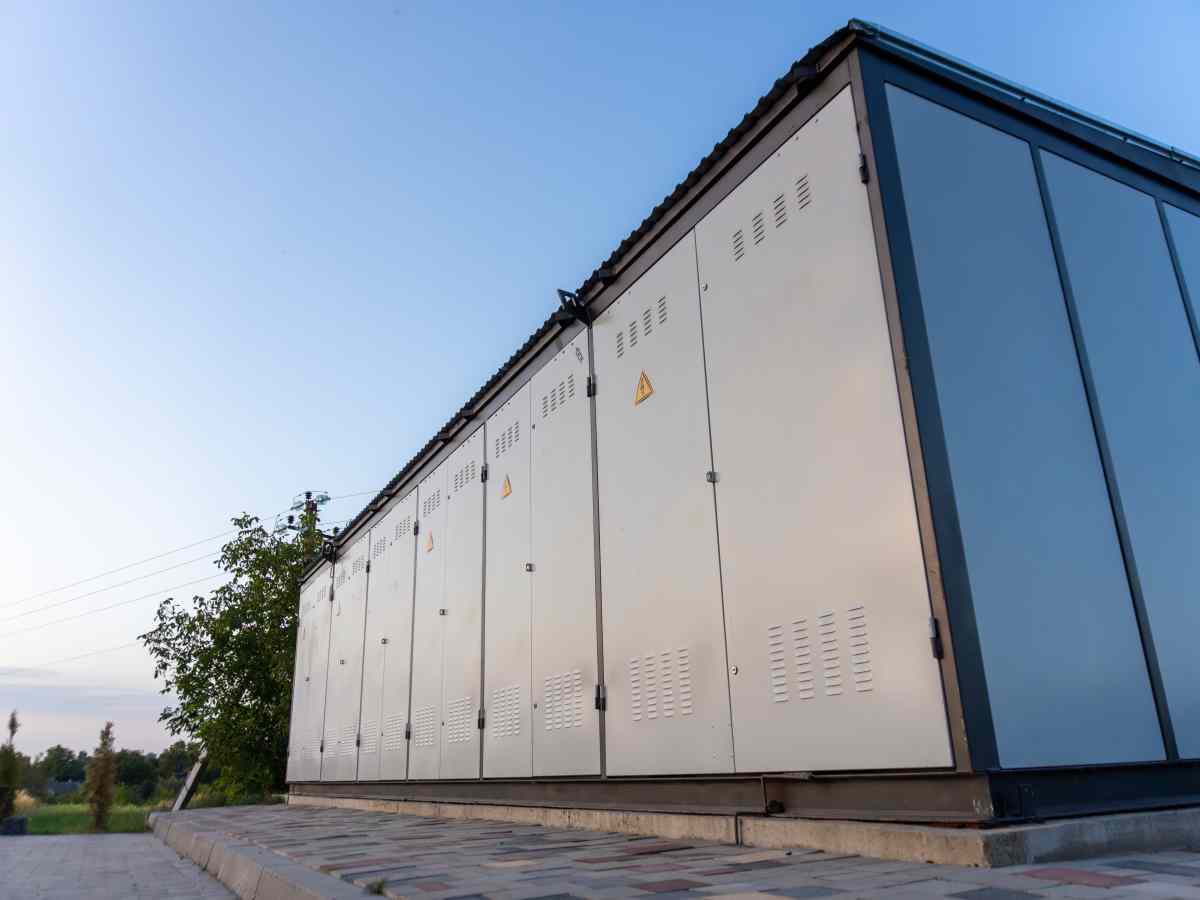
For commercial facility owners planning for 2027, energy is no longer just a line item on the utility bill. It is part of a larger conversation about business continuity, sustainability, future expansion and whether a facility has the infrastructure to meet tomorrow’s demands.
Solar and battery energy storage systems (BESS) can play complementary roles in that strategy. But getting the most from either starts before equipment is selected or construction begins. Owners, developers and facility teams need to consider electrical capacity, utility requirements, site conditions and how the building will operate over time.
With U.S. electricity demand growing and new large-scale infrastructure placing additional demands on the grid, early energy planning has become a more important part of capital planning.
A Grid Preparing for Greater Demand
Data centers, expanded manufacturing, electrification and new construction are changing the nation’s electricity needs. In its November 2026 outlook, the U.S. Energy Information Administration forecasts record U.S. electricity generation in 2026 and additional growth in 2027. The U.S. Department of Energy has also identified new transmission needs tied to large industrial loads and data center development.
Those trends will affect regions differently, but they reinforce a practical question for every facility owner: Is our electrical infrastructure prepared for our current operations and what comes next?
Reliability Starts With the Right Energy Strategy
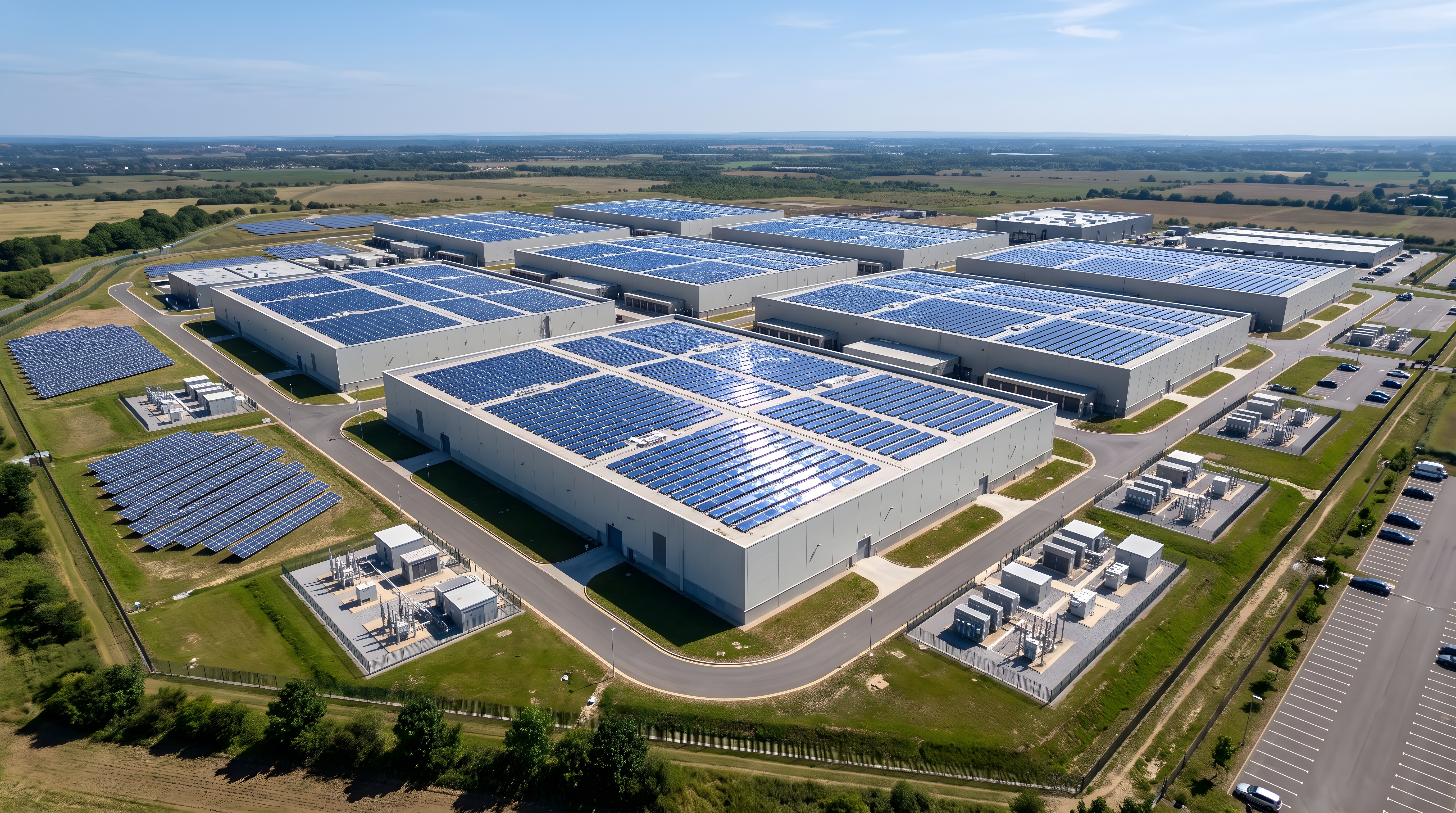
Commercial BESS can offer greater flexibility in when electricity is stored and used. Depending on the design, it can help manage demand, support on-site energy operations and contribute to a broader resilience strategy. When equipped and configured for backup operation, a system may also help maintain selected critical loads during a utility outage.
That distinction matters. Installing batteries does not automatically provide backup power. Owners must identify which operations need protection and account for controls, switching, system sizing, interconnection and operating requirements during the design process.
Solar and Storage Work Better as a Coordinated Plan
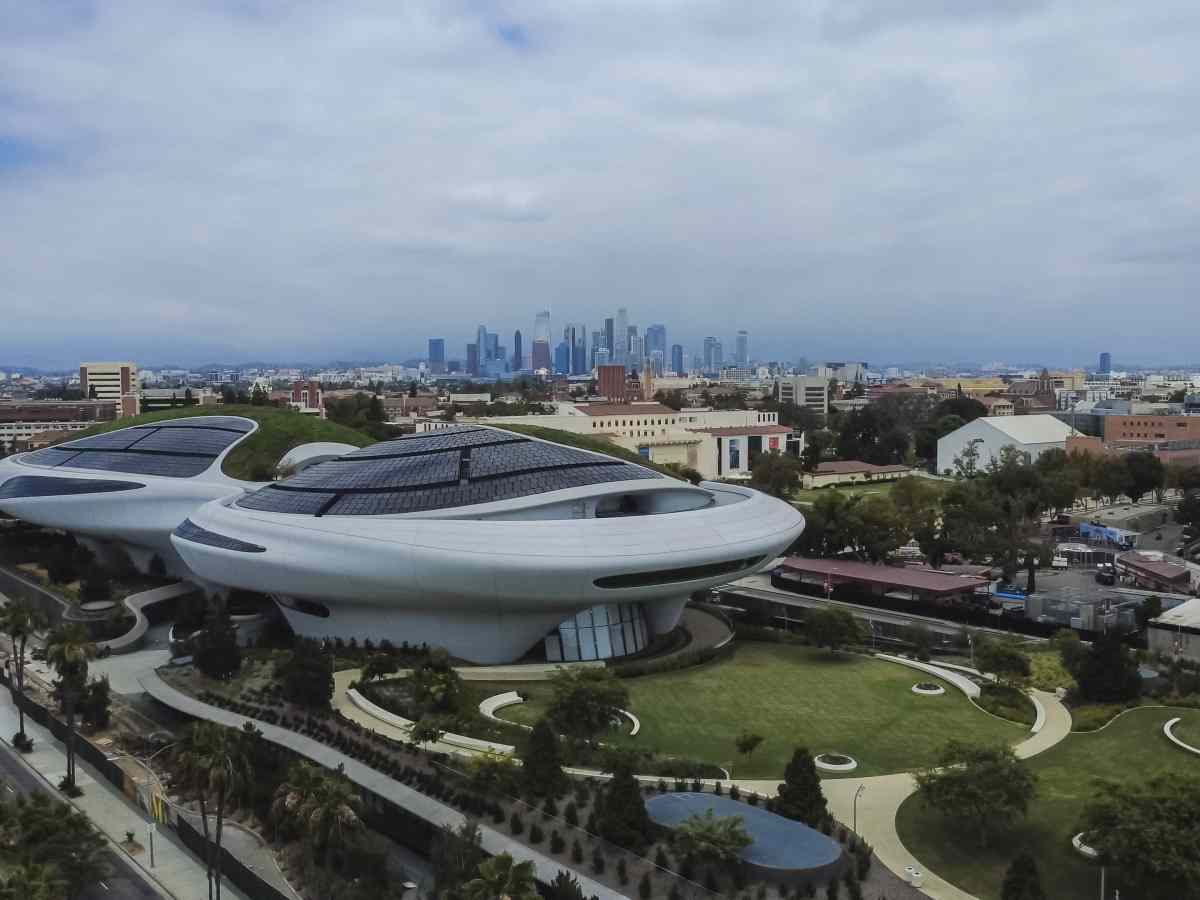
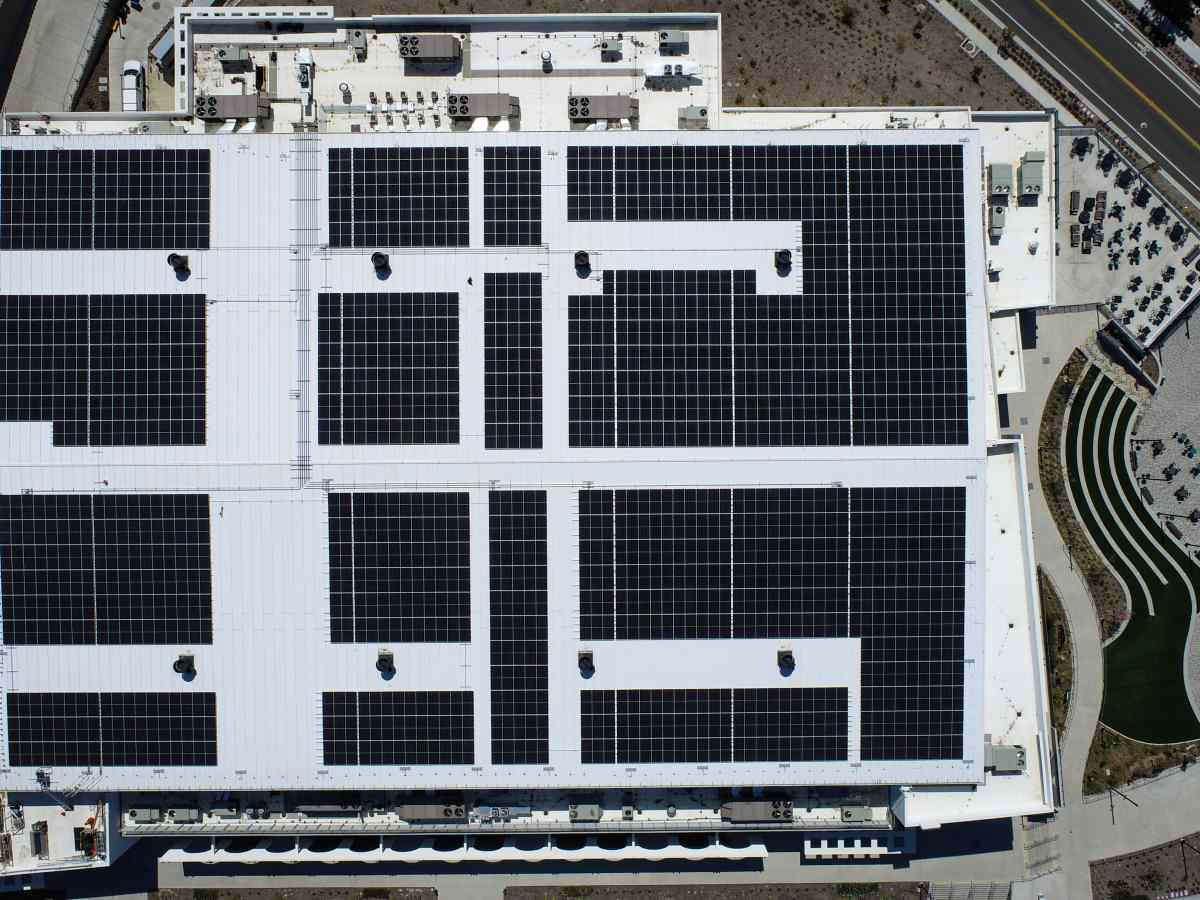
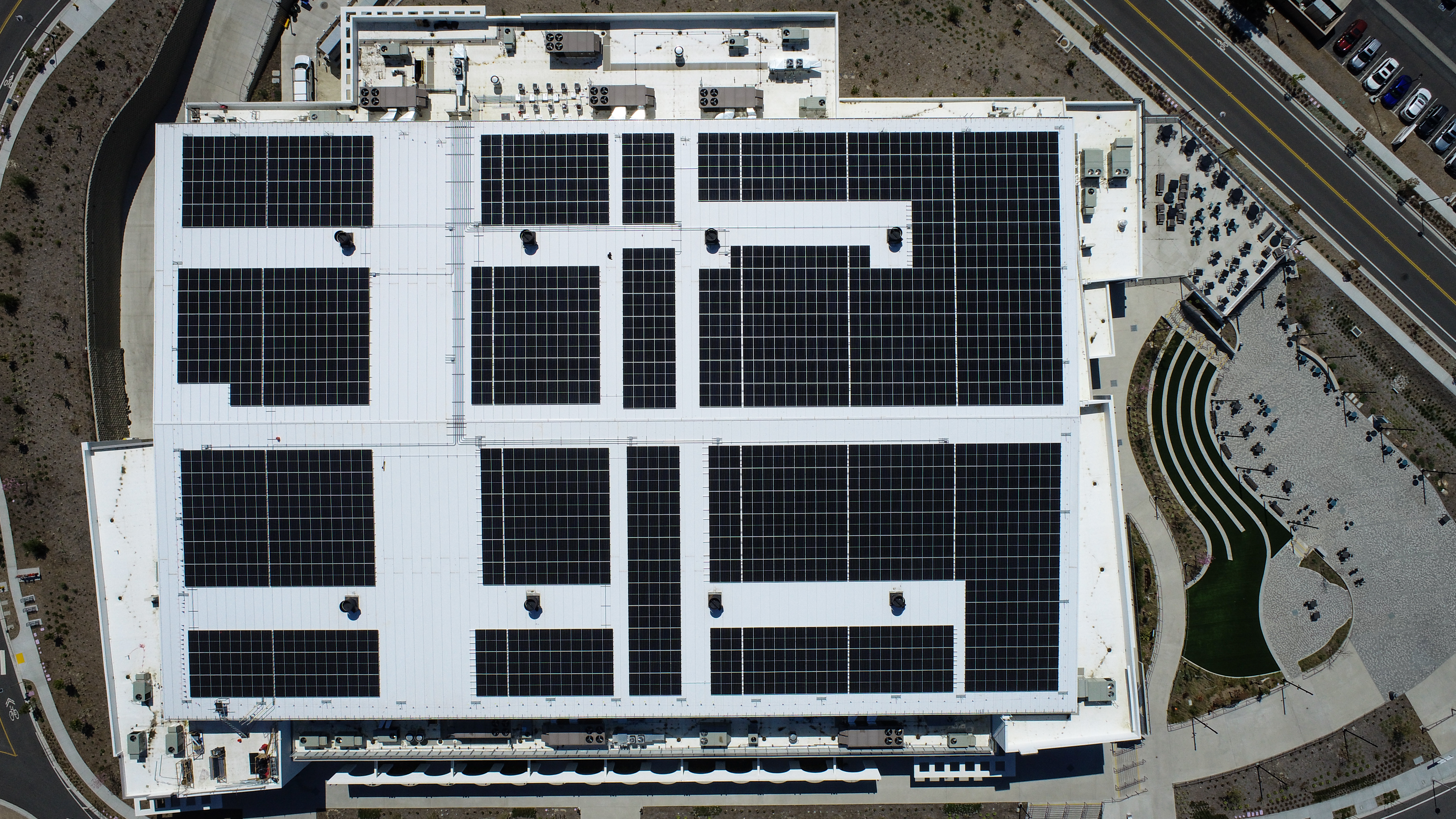
Solar produces electricity on site. Battery storage can make that energy more flexible by storing electricity for later use. Evaluated together, these technologies can support sustainability objectives while giving owners more options for how a facility uses and manages energy.
The right approach depends on the property. A warehouse, medical facility, hospitality property and industrial operation may have very different load profiles, reliability priorities and growth plans. The planning process should begin with those needs, not a predetermined system size.
Infrastructure, Procurement and Timing Cannot Be Afterthoughts
Electrical service capacity, transformers, switchgear, equipment locations, utility coordination and interconnection can all influence what is practical and when a project can be delivered. Early contractor involvement helps align feasibility, constructability, procurement and schedules before major design decisions are locked.
Federal incentives are another planning consideration. For certain solar projects beginning construction after July 4, 2026, the Section 48E credit generally requires placement in service by December 31, 2027. Energy storage is treated differently under the applicable rules, and prohibited foreign entity sourcing restrictions may affect eligibility. Project owners should confirm their specific circumstances with tax advisors rather than base a project decision on a general deadline.
Plan Now. Power 2027.
A more reliable and sustainable energy future begins with a clear understanding of the facility, its operational priorities and its future electrical needs.
Baker Electric brings commercial solar, battery energy storage and electrical construction expertise together to help owners and developers evaluate feasibility, plan infrastructure, coordinate with utilities and prepare projects for execution.
Planning a 2027 facility, expansion or energy project? Bring Baker in early for a 2027 Energy Project Planning Session.