
Electricity demand is increasing, and the infrastructure needed to support it is becoming a greater consideration for commercial and industrial development.
For facility owners, electrical capacity can influence expansion plans, equipment upgrades and future operating costs. Businesses considering onsite solar and battery energy storage must also account for existing electrical infrastructure, utility requirements and how those systems will operate together.
These are decisions that should be addressed early in project development.
Power Availability Is a Growing Industry Concern
A June 2026 study from Lawrence Berkeley National Laboratory identified more than 40 potential solutions to accelerate large electrical load connections to the grid.
That same month, the Federal Energy Regulatory Commission directed six regional grid operators to justify or reform their existing rules governing connections for data centers, manufacturing facilities and other large energy users.
While these developments primarily address large-scale grid connections, they reinforce a broader concern for commercial and industrial customers: electrical infrastructure needs to be considered alongside facility expansion and long-term energy planning.
For some businesses, commercial battery energy storage may be worth evaluating as part of that planning.
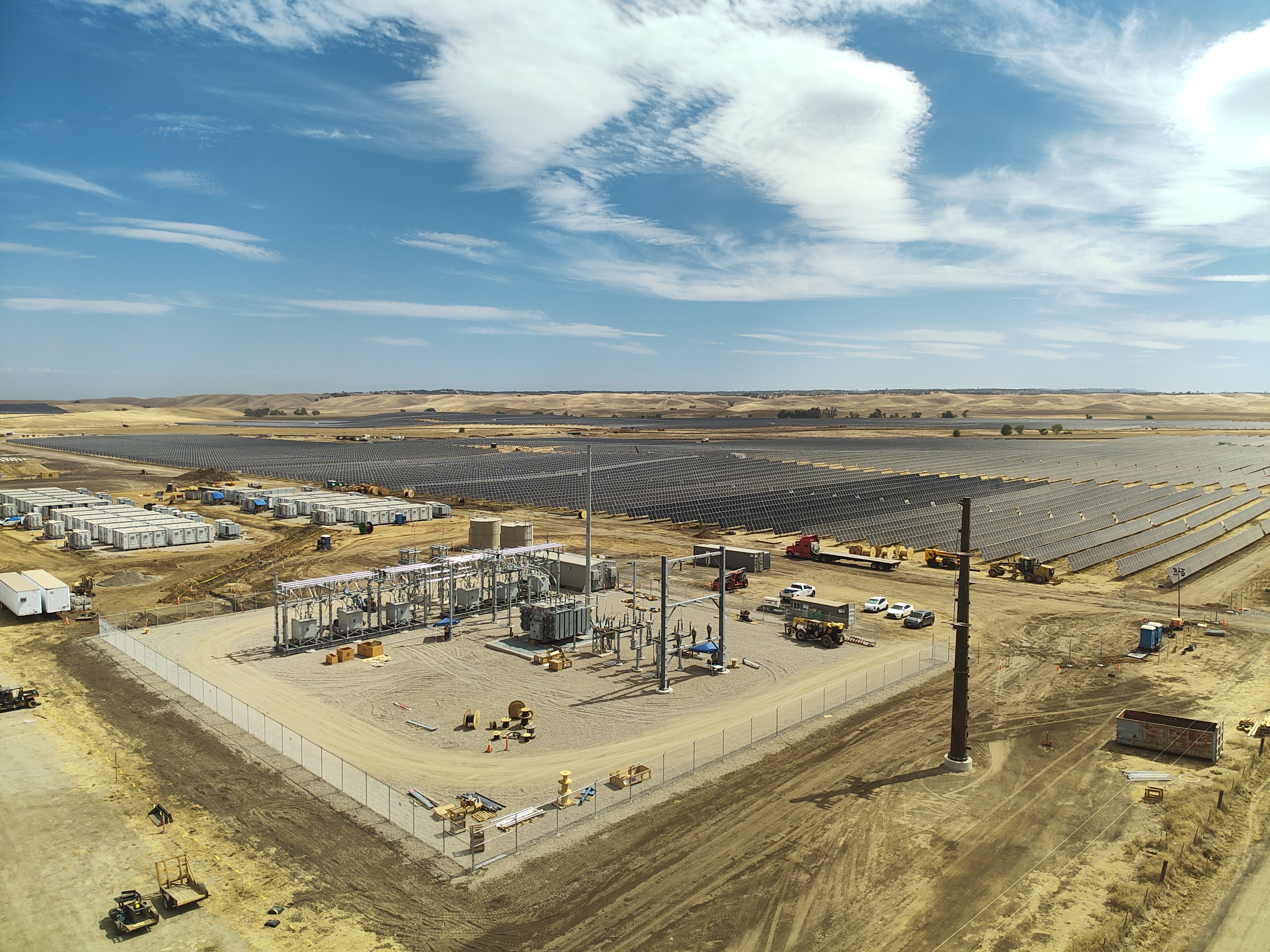
“What we’re hearing from customers is a desire for more control over their energy future. Whether the concern is cost, resiliency, or having enough power to support future growth, they want to understand their options. Our role is to help them evaluate those needs early and determine where solar, storage, and electrical infrastructure can work together.”
- Nick Liles, Renewables Sales Manager
Where Commercial Battery Storage Fits
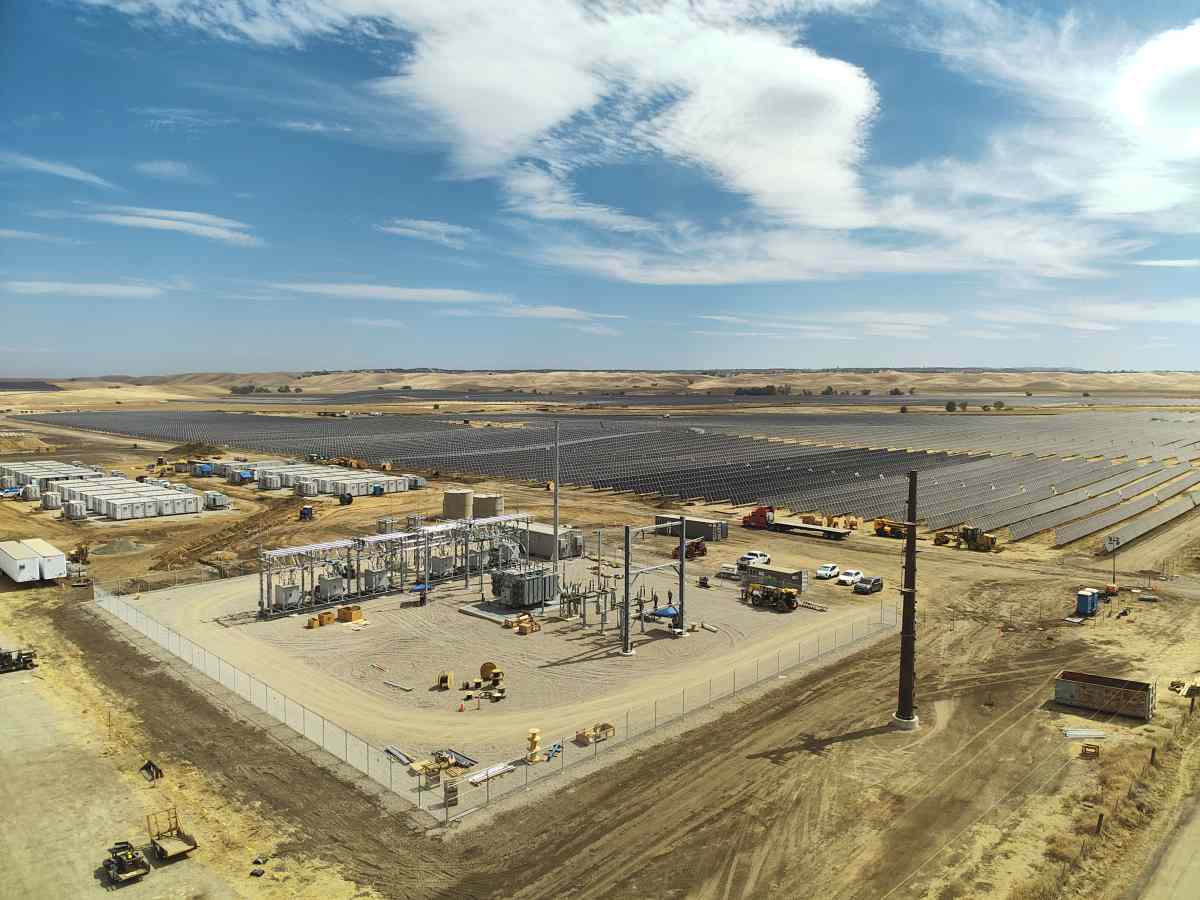
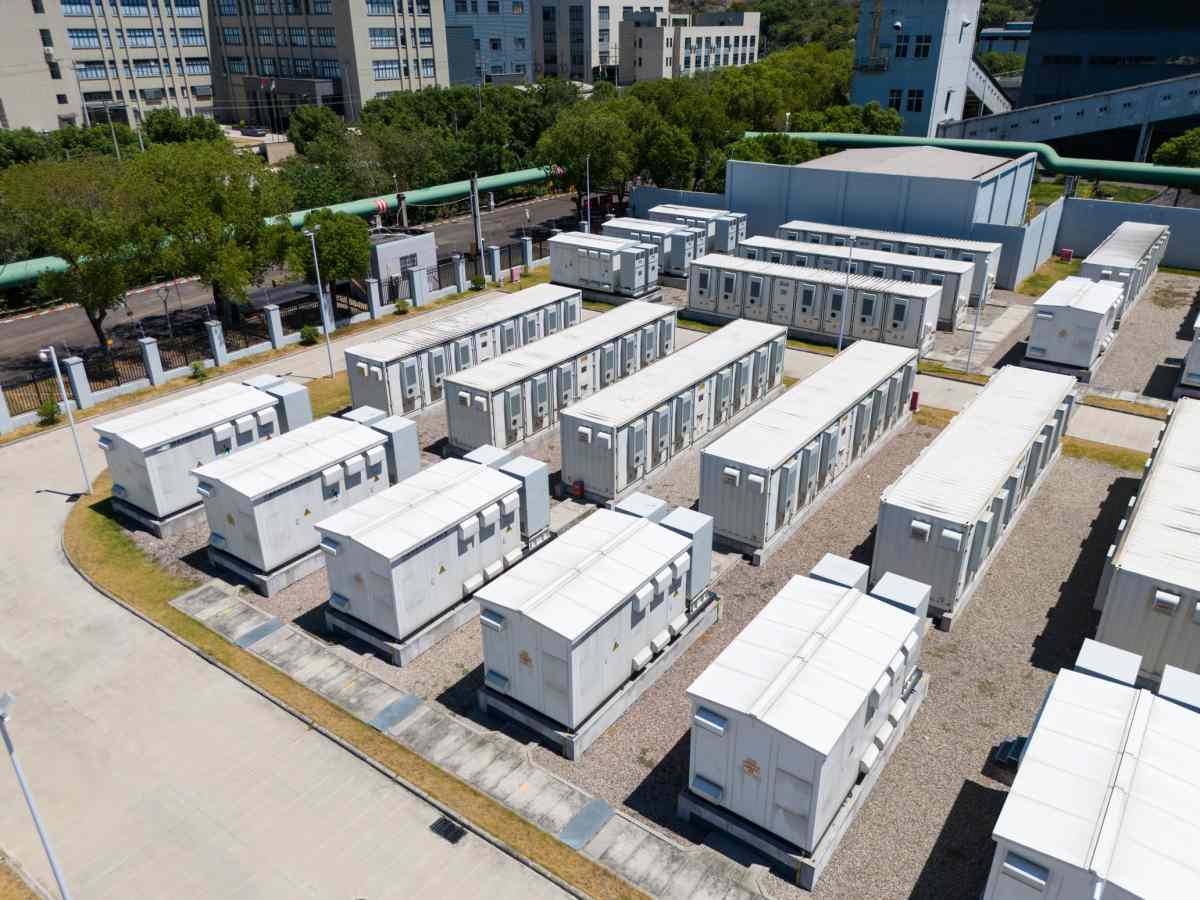
Commercial Battery Energy Storage Systems (BESS) store electricity for use at a later time. Depending on the facility's electrical demand, utility rate structure and system design, storage may help businesses:
Reduce peak demand charges.
Shift electricity consumption away from higher-cost periods.
Store excess onsite solar generation for later use.
Provide backup power to designated loads when properly configured.
Participate in eligible utility demand response programs.
However, battery storage does not automatically increase the electrical service capacity available from the utility or eliminate interconnection requirements.
The benefits depend on how the system is designed, the facility's operating profile and the applicable utility programs.
Project Feasibility Starts With the Electrical Infrastructure
Evaluating battery storage involves more than selecting a battery system.
Existing electrical service, switchgear capacity, protection requirements, available installation space and utility interconnection rules can all affect project scope and cost.
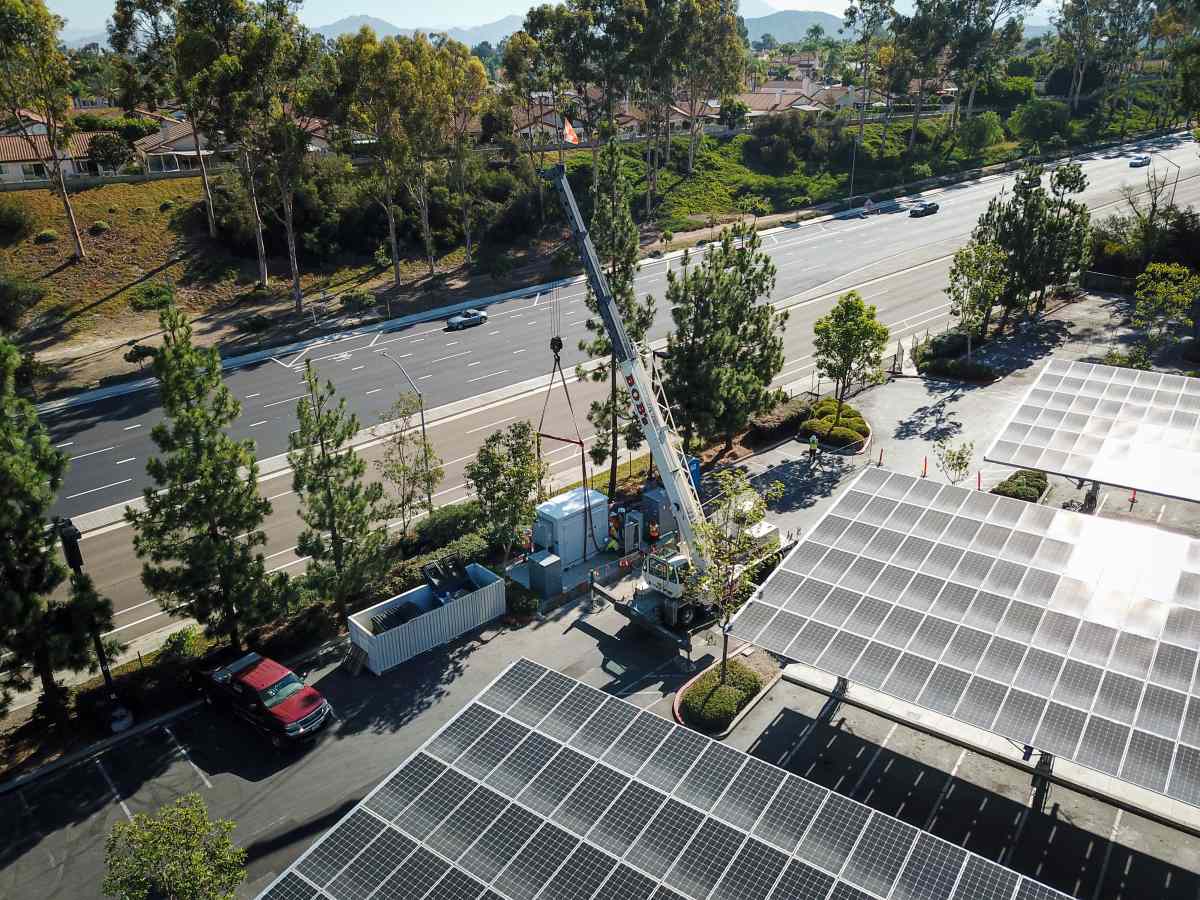
For facilities with existing solar installations, the evaluation must also address how the battery system will interact with onsite generation and existing electrical equipment.
Equipment costs, procurement schedules and infrastructure upgrades should be addressed during estimating and preconstruction rather than after a project has been designed around a particular storage configuration.
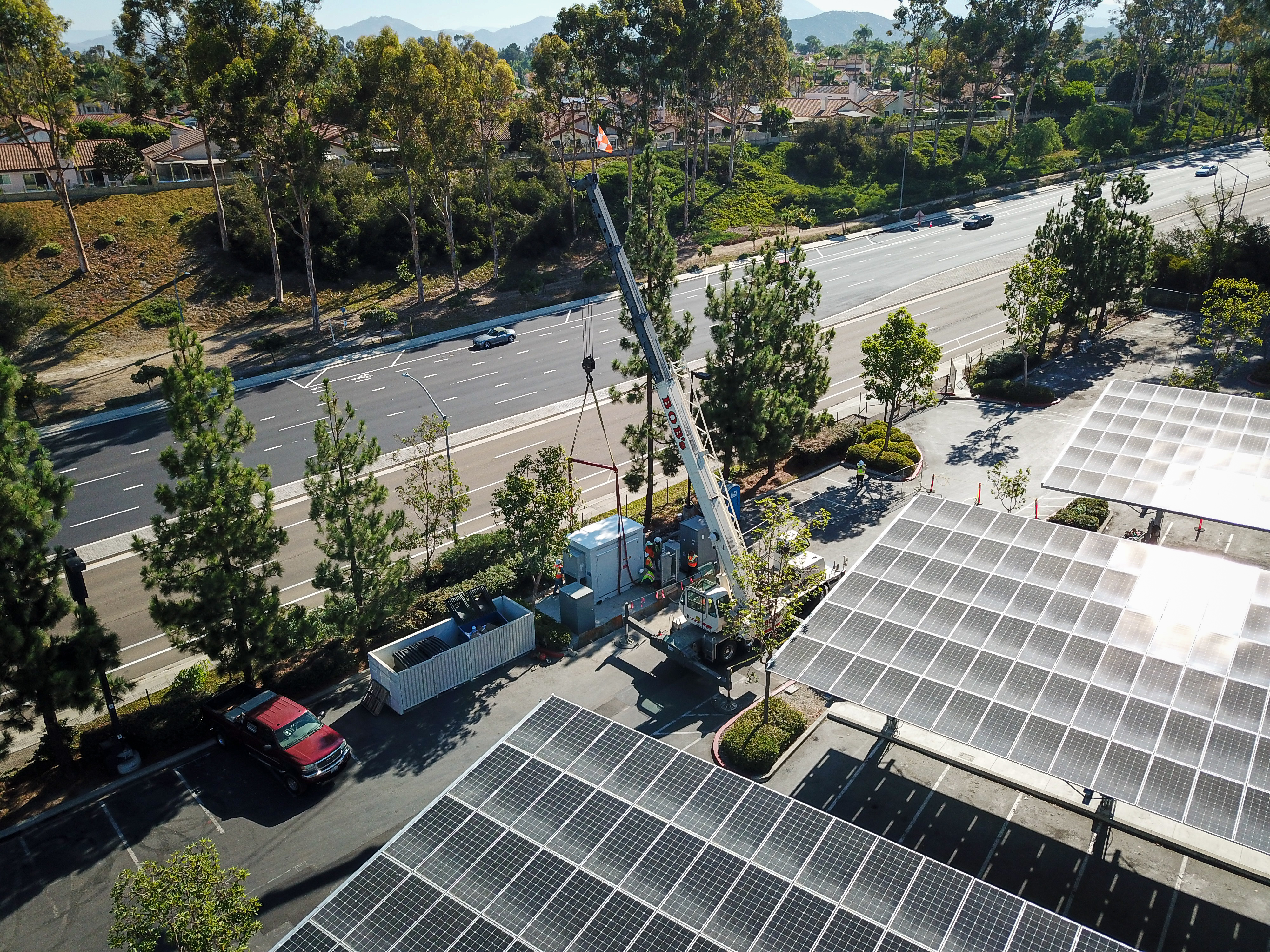
“One of the biggest things that can be overlooked early in a BESS project is the infrastructure required to support the system. The battery itself is only part of the investment. Existing electrical service and switchgear, utility interconnection requirements, equipment availability and lead times, site conditions and potential electrical upgrades can all have a significant impact on cost and schedule. Early estimating allows us to identify those requirements before the project is too far into design, evaluate equipment options and develop a more complete scope and realistic budget.”
- Kathleen Matthews, Sr. Estimating Manager
Planning Commercial Energy Projects With Baker Electric
Baker Electric's commercial Renewables team provides solar, energy storage and microgrid solutions for commercial and industrial facilities.
Our capabilities include engineering, procurement, construction, utility interconnection and permitting support. When projects require additional electrical work, Baker can also draw on the capabilities of its broader electrical construction and power distribution teams.
This approach allows customers to address renewable energy and associated electrical infrastructure requirements through coordinated project planning.
As electrical demand continues to change, facility owners should evaluate their existing power requirements, future expansion plans and potential energy management opportunities together.
For businesses considering battery storage, the starting point is understanding how the facility uses electricity and what the proposed system is expected to accomplish.
Learn more about Baker Electric's commercial solar and energy storage capabilities at baker-electric.com.
Industry Sources
Lawrence Berkeley National Laboratory, Speed to Power: Solutions for Accelerating Large Load Connections, June 2026
Federal Energy Regulatory Commission, FERC Launches Targeted Action to Speed Large Load Integration, June 18, 2026
U.S. Department of Energy, Better Buildings Energy Storage Guide