
Complex electrical construction does not start when crews arrive onsite. It starts much earlier, with planning, coordination, material strategy, field input, and a clear understanding of how the work will be installed safely and efficiently.
At Baker Electric, prefabrication is one of the ways we bring that planning to life.
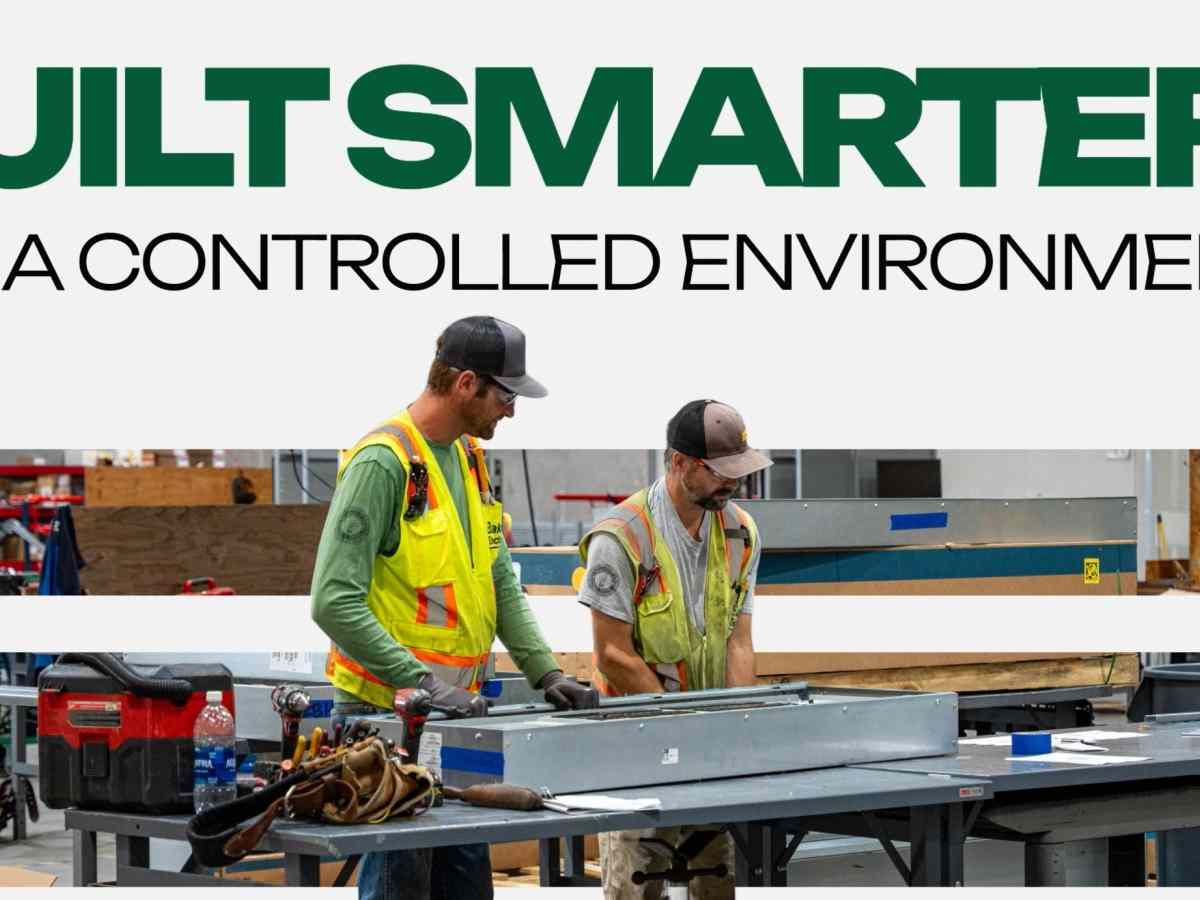
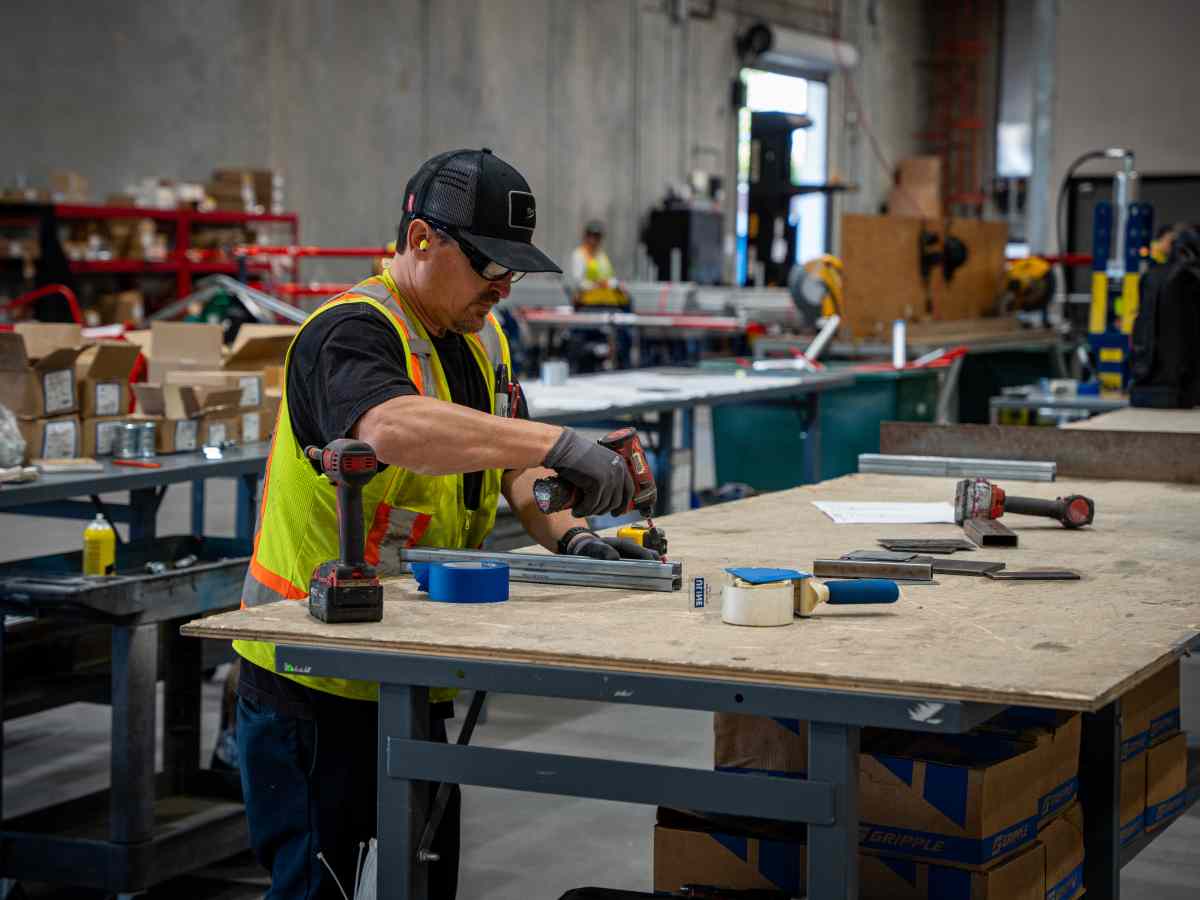
Our 26,000-square-foot prefabrication operation gives Baker teams the space, tools, and process discipline to prepare key portions of electrical work before materials reach the jobsite. By moving selected work into a controlled environment, we can improve consistency, reduce jobsite congestion, organize materials more effectively, and support field crews with installation-ready components.
For owners, general contractors, and project partners, the value is straightforward: stronger coordination, safer execution, fewer surprises, and a more predictable path from planning to installation.
More Than a Shop. A Project Delivery Advantage.
Electrical prefabrication is the process of building selected components, assemblies, supports, conduit pathways, panels, racks, and material packages before they are installed onsite.
But at Baker, prefabrication is more than simply assembling parts ahead of time. It is an extension of our preconstruction, BIM/VDC, project management, engineering support, and field execution process.
Our teams use prefabrication to help translate coordinated project plans into organized, field-ready work. Assemblies can be built, reviewed, labeled, staged, shipped, and installed with greater clarity. That preparation helps crews spend less time sorting through materials onsite and more time executing the work safely and efficiently.
Prefabrication does not replace skilled field labor. It supports it.
By preparing more work before it reaches the field, Baker helps field teams install with better information, better organization, and better control.
Built for Scale and Complexity
Baker’s prefabrication capabilities are designed to support multiple projects, scopes, and operational needs at the same time.
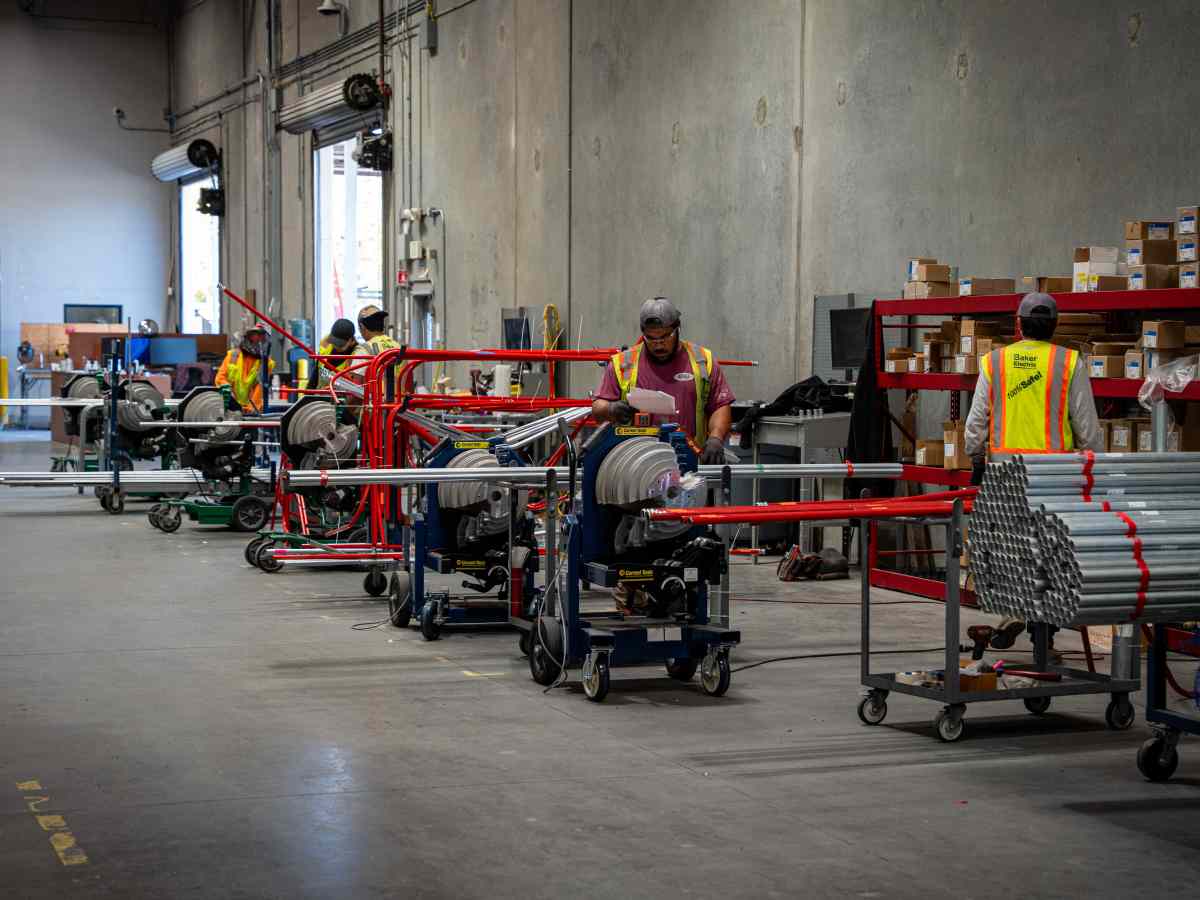
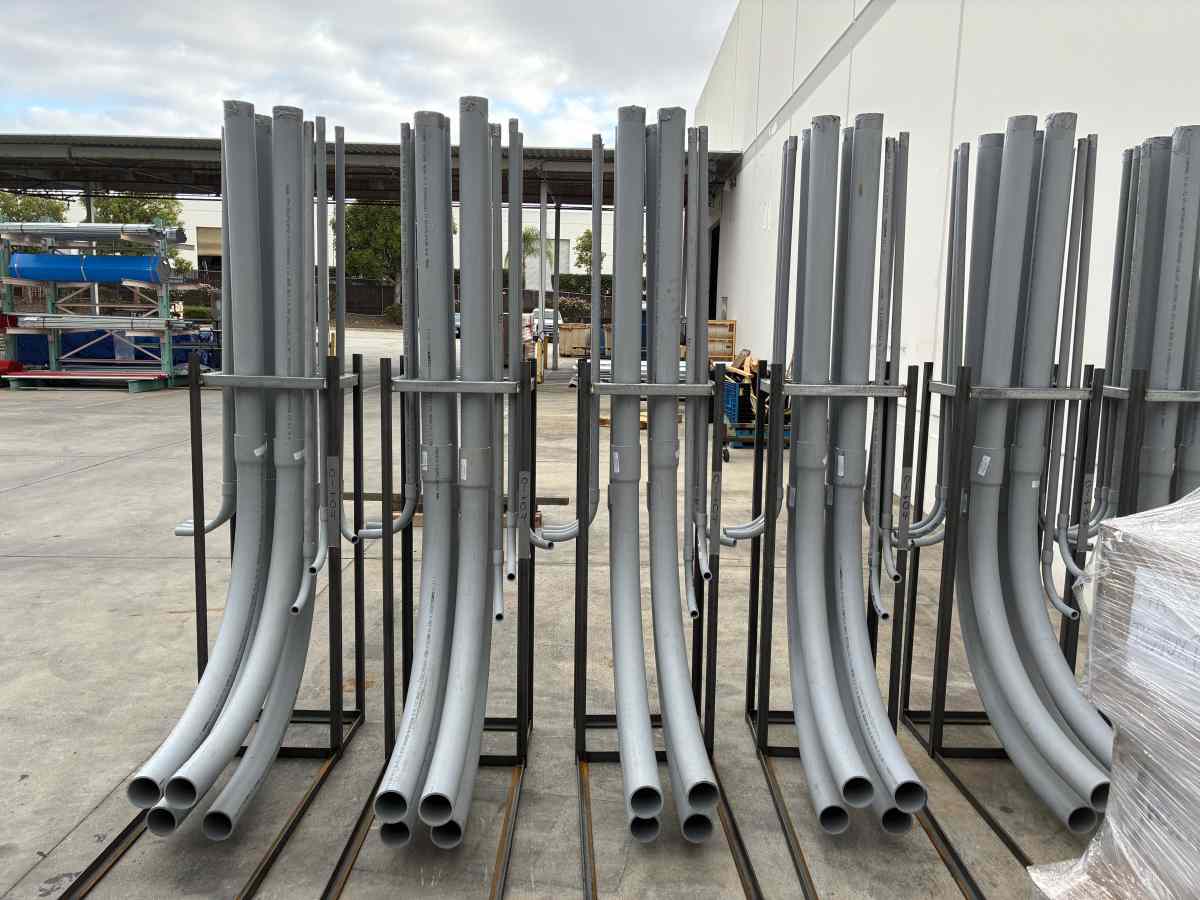
Inside the facility, dedicated areas support conduit bending, panel preparation, welding fabrication, labeling, staging, shipping, and review. The operation includes a welding fabrication room with carbon steel and stainless steel welding capabilities, along with equipment that supports conduit bending from half-inch to two-inch conduit.
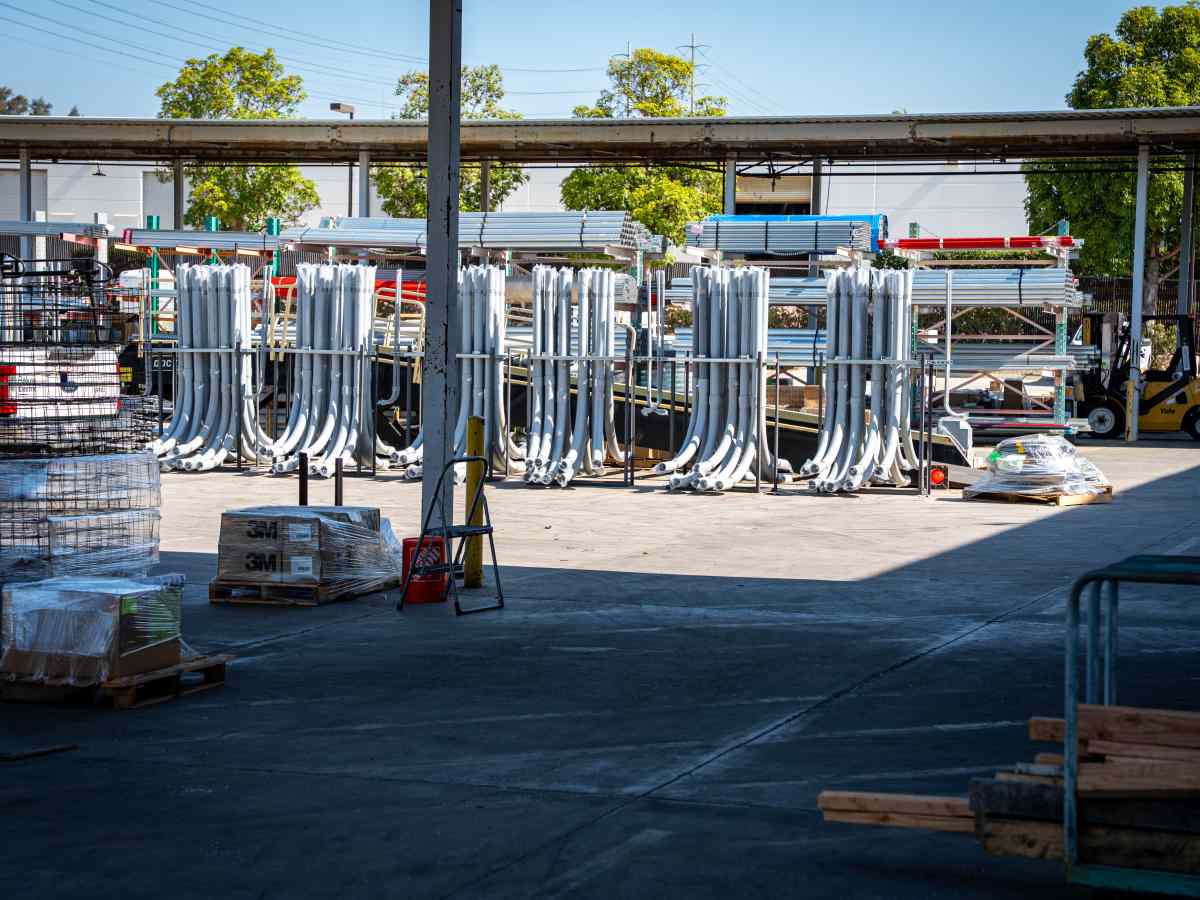
The scale is significant. Baker’s prefabrication team can prepare approximately 8,000 to 10,000 pieces of pipe per week, helping support demanding project schedules and large field operations.
That kind of capacity matters on complex projects where time, space, coordination, and manpower all need to be managed carefully.
Organized Before It Reaches the Field
One of the strongest advantages of prefabrication is the level of organization it brings to the jobsite.
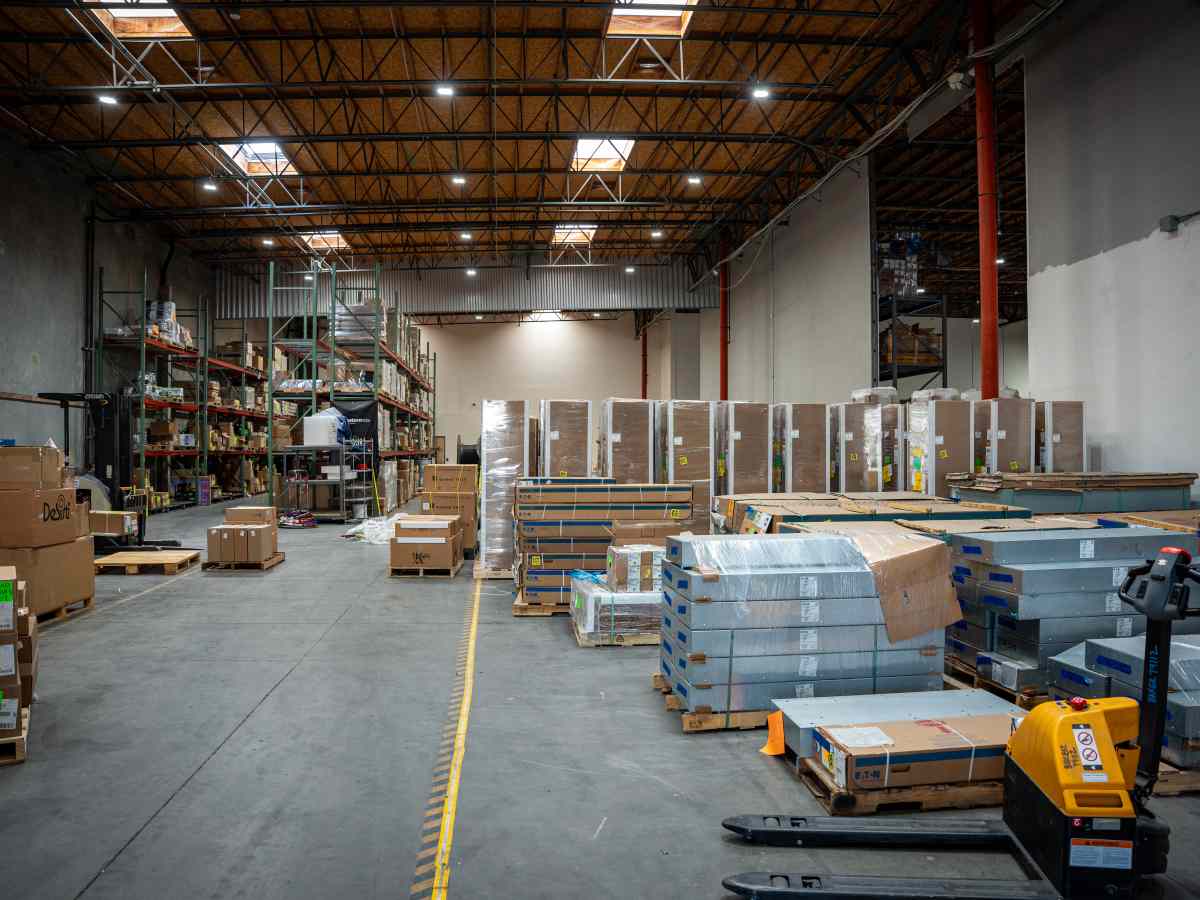
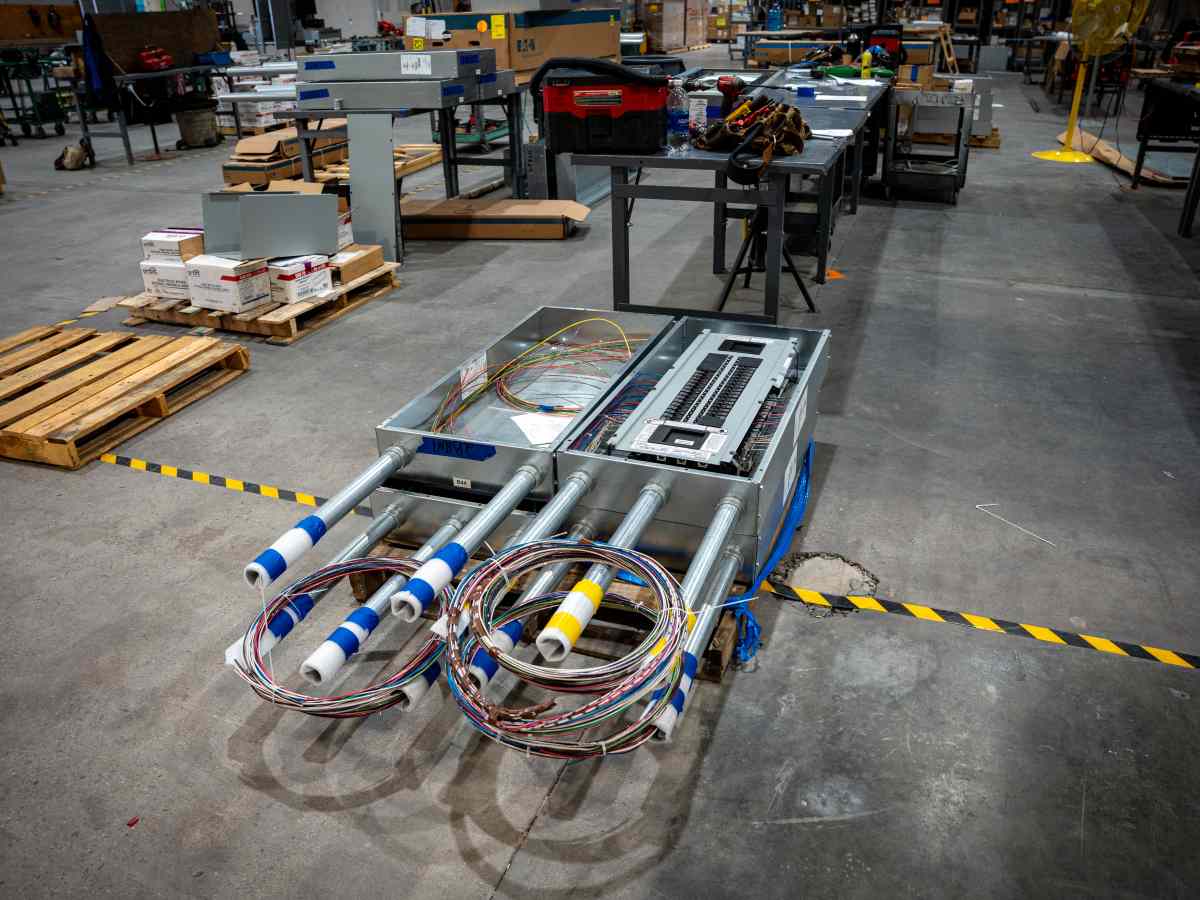
At Baker, materials are planned, built, labeled, staged, and reviewed before shipment. Panels can be built completely, then broken down into installation-ready sections to make field installation easier and more efficient.
Conduit can be pre-bent. Assemblies can be grouped by area. Labels and engraved signage can be prepared for panels. Pipe can include location information that tells the crew where it belongs within the system.
Everything has a place, from carts and staging zones to trash areas and marked workflow paths.
That level of organization helps reduce confusion in the field. Crews know what they are receiving, where it goes, and how it fits into the larger system.
Supporting Safety, Quality, and Efficiency
Jobsites are busy, fast-moving environments. Space is limited. Multiple trades are often working at the same time. Schedules are tight, and the margin for error can be small.
Prefabrication helps reduce some of that pressure by moving selected work into a more controlled environment.
This can help improve safety by reducing certain field activities, limiting unnecessary material handling, and supporting cleaner installation planning. It can also improve quality by creating more consistent processes for assembly, review, labeling, and staging before materials arrive onsite.
For field crews, this means better readiness.
Instead of building every component from scratch in a crowded work area, crews can receive materials that have already been prepared with the jobsite in mind. That creates a smoother handoff from planning to installation and helps teams work with greater clarity and confidence.
Connected to BIM/VDC and Field Planning
Prefabrication is most effective when it is connected to the larger project delivery process.
At Baker, prefab works closely with BIM/VDC, project management, engineering support, and field leadership. Before assemblies are built, teams review layout, sequence, access, installation requirements, and project conditions.
That early coordination helps identify conflicts sooner, improve installation planning, and reduce avoidable issues in the field.
The goal is not just to prefabricate more. The goal is to prefabricate smarter.
When planning, modeling, fabrication, and field input are aligned, Baker can help create a more predictable installation path for complex electrical systems.
A Differentiator for Baker Electric
Baker’s prefabrication operation is a clear differentiator because it supports the way we deliver projects: with planning, discipline, safety, and accountability.
Our current prefab team includes approximately 35 crew members, with plans and capacity to scale as project demand grows. The operation is built to support larger teams and more complex production needs, giving Baker the flexibility to respond to multiple projects and changing schedules.
That matters for clients.
Owners and general contractors need partners who can reduce coordination friction, improve site efficiency, and bring more certainty to the construction process. Baker’s prefabrication capabilities help provide that support before materials ever arrive onsite.
Built Smarter. Delivered with Confidence.
As electrical systems become more complex, the ability to plan, coordinate, and prepare before reaching the jobsite becomes even more valuable.
Prefabrication helps Baker Electric improve installation readiness, strengthen quality control, support safer execution, and reduce jobsite congestion across demanding construction environments.
It is not about speed for the sake of speed. It is about building smarter.
Because when work is planned better from the start, it is installed with greater confidence in the field.
Want to learn more about Baker Electric’s integrated electrical construction capabilities?
Connect with our team to discuss how planning, BIM/VDC, prefabrication, and field execution can support your next project.